
01
May
Dental care can sometimes be confusing because different dental professionals have different roles. A general dentist is usually the first professional you visit when you have a toothache, need a routine checkup, or want a dental cleaning. A general dentist is your primary oral health care provider, specializing in preventive and general dental care. But if you have issues with your gums, such as gum recession or severe gum disease, you can be referred to a periodontist. A periodontist is a dental professional who specializes in the structures that support your teeth, such as the gums and the bone that hold them in place. Although both professionals strive for good oral health, their training and fields of specialization are complementary rather than similar. Understanding these roles can help you select the appropriate professional for your unique dental needs and sustain long-term oral health. Read along to understand the key differences between a periodontist and a general dentist.
Educational Requirements and the Three-Year Specialization Difference
General dentists and periodontists have the same initial education. They normally undertake a four-year undergraduate degree course, followed by four years of study at an accredited dental school.
Graduates of dental school receive a Doctor of Dental Surgery (DDS) or Doctor of Dental Medicine (DMD). A general dentist is now fully qualified to practice dentistry. They can perform numerous procedures, including cavity treatments, restorations, root canals, and tooth extractions. Their training equips them to handle routine oral health needs and provide preventive care to patients.
Dental Periodontal Training
A periodontist's career does not end with dental school. Once they have a doctoral degree, they are required to undertake another three years of a residency program that is purely devoted to the study of the periodontium, the frameworks that hold the teeth.
This consists of the gums, the alveolar bone, and the periodontal ligament. The training during this period does not focus on general restorative dentistry but rather focuses on the biology and treatment of gum and bone conditions.
These highly competitive residency programs are governed by the Commission on Dental Accreditation. The programs offer a wide range of clinical practice in surgery, bone grafting and dental implantation.
Due to specialized training, periodontists gain a better understanding of the interactions between oral bacteria and the immune system, as well as the impact of gum disease on the periodontal tissues that support the teeth.
High-level Surgical and Clinical Skills
Periodontists are also taught advanced methods in pain management and intravenous sedation during their special training. These competencies enable them to perform complex surgical procedures safely that would not normally be performed in a general dental practice. They learn the effects of medications on gum healing and bone density, which is particularly crucial when treating patients with other health conditions.
Although a few dentists may attend short courses to learn how to place implants, periodontists spend several years studying bone biology and surgical techniques to ensure the long-term success of implants. This prolonged training prepares them to deal with serious gum disease, bone loss, and complex cases where tooth loss is a serious threat.
Scope of Practice for Teeth and Supporting Tissues
Focus of a General Dentist
The main concern of a general dentist is the health and functionality of the teeth. They treat the enamel, dentin, and the inner pulp of the tooth. Dentists diagnose tooth decay, repair cavities, restore damaged teeth, and assist in maintaining overall oral hygiene. They also check the gums' health and treat mild conditions such as gingivitis.
General dentists play an essential role in preventing oral health problems and maintaining daily dental care. They help keep teeth strong, properly aligned, and free from harmful bacteria.
Focus of a Periodontist
A periodontist focuses on the tissues that support and stabilize the teeth. These tissues in their entirety are referred to as periodontium, and they consist of the gums (gingiva), cementum, periodontal ligament, and the alveolar bone. Periodontists do not primarily focus on tooth structure; instead, they strive to preserve the health of the tissues that support the teeth.
They deal with moderate to severe periodontal disease and carry out procedures that respond to infections and destruction under the gum line. This is usually done to correct structural problems that threaten tooth stability or to treat bone loss.
Gum and Bone Health
Periodontists also perform procedures to improve gum appearance and health, commonly known as periodontal plastic surgery. Such procedures can involve the use of corrective gum lines, removal of excess gum tissue, or repair of gum recession using tissue grafts. They aim to ensure gum health and support the bone so that natural teeth or dental restorations remain stable in the long run.
Comparison of Procedures and Responsibilities of Each Professional
- Primary Care Procedures of the General Dentist
A general dentist is the primary oral health care provider and performs most routine procedures. These usually involve:
- Prophylactic brushes to remove plaque and tartar
- Composite fillings in cavities
- Crowns and bridges to replace damaged teeth
- Root canal treatment of infections in the pulp
General dentists can also perform simple tooth extractions and cosmetic services such as teeth whitening or veneers. They also check general oral health and arrange care, in addition to addressing routine dental issues. They can also refer patients to a specialist, such as a periodontist, when specialized care is needed, such as advanced gum disease or complex surgical procedures.
The General Dentist in Comprehensive Oral Care
A general dentist is essential for the overall health of the mouth and for early detection of potential issues. During routine checkups, they inspect the mouth to detect tooth decay, gum disease, and other abnormalities. They also perform oral cancer screening and surveillance for systemic health conditions that may initially manifest in the mouth.
Dental instruments, such as digital radiographs, are used by general dentists to identify cavities between teeth and assess the condition of the jawbone. Since patients see their general dentist frequently, the dentist obtains a clear picture of the patient's normal oral health. This baseline enables them to observe subtle variations in gum color, tooth stability, or bite position that may indicate emerging problems requiring special attention.
Extensive Dental Service
The scope of work of a general dentist is wide. Besides treating cavities and restoring teeth, they also offer services to patients of all ages- from children to the elderly. General dentists can also design specialized dental appliances, such as mouthguards for sports or nightguards for teeth grinding. Such devices are well-constructed to fit the patient's bite and make accurate impressions.
General dentists play a major role in coordinating oral health due to their broad scope of duties. They handle routine treatment and decide when a patient needs to see a specialist for more advanced treatment.
- Periodontist Specialty Surgical Procedures
Therapy of Advanced Gum Disease
When gum disease has advanced to moderate or severe inflammation, a periodontist may be needed to treat it. Scaling and root planing is one of the common procedures performed by these specialists. This is a deep-cleaning treatment that removes plaque, bacteria, and toxins under the gum line and smooths root surfaces to help the gums reattach to the teeth.
In patients with severe gum recession, a periodontist can perform a gum graft. It is a microsurgical procedure that involves transferring healthy tissue to the receded gum areas to cover the roots and prevent further tooth damage.
Bone Tissue Repair and Regeneration
Bone loss in the jaw may also be caused by advanced gum disease. Once this happens, periodontists perform bone grafting and guided tissue regeneration. These therapies help restore lost bone structure and stimulate the formation of new tissue. Since such procedures involve living tissue and complex biological processes, they require specialized surgical training and a thorough understanding of periodontal biology.
Restorative Support and Dental Implants
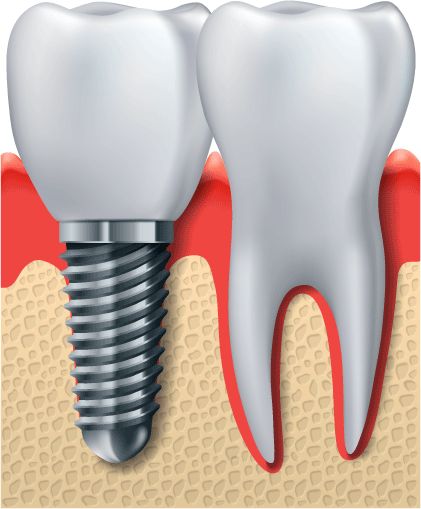
Surgical placement of dental implants is one of the most well-known roles of the modern periodontist. These implants are artificial tooth roots and should be accurately placed in the jawbone. The periodontists are also experts in bone density and gum health; therefore, they can ensure that the implants remain stable in the long term.
Additional treatments performed by periodontists include crown lengthening, in which the gum and bone are restructured to reveal more of the natural tooth for restorative therapy.
They also cure peri-implantitis, which is a form of infection that may develop around the dental implants that are already present. The majority of periodontal treatment focuses on surgical and regenerative procedures that can be used to retain natural teeth or replace missing teeth.
When a Referral Is Required and How to Recognize Clinical Indicators
Indications of Advanced Periodontal Disease
Patients are usually referred to a periodontist when symptoms indicate that gum disease has progressed beyond the scope of routine dental care. The depth of periodontal pockets is one of the most significant indicators.
During dental check-ups, dentists use a calibrated probe to measure the distance between the teeth and the gums. If these pockets are deeper than 5 millimeters, it is usually a sign of infection that requires specialized treatment.
Gum recession is also another important indicator. When the gum line recedes, roots become exposed, and the teeth look longer. Although this may be considered cosmetic, it can indicate ongoing tissue damage that needs special treatment to prevent further loss.
Tooth Instability and Structural Changes
Wiggly teeth or observable changes in the bite may be signs of severe bone loss under the gum line. Such structural changes indicate that the tissues supporting the teeth have been damaged and require advanced care.
Systemic health conditions may also predispose to severe periodontal disease. Patients with diabetes, cardiovascular disease, or those who are pregnant may experience more aggressive gum inflammation.
In this instance, a periodontist determines the relationship between oral diseases and the general well-being of the body and organizes treatment to reduce complications and prevent the spread of bacteria into the bloodstream.
Additional Warning Signs
Other symptoms that may need referral are persistent bad breath that does not respond to oral care and gums that bleed regularly during brushing or flossing. These symptoms may indicate an active bacterial infection destroying the jawbone.
If deep-cleaning treatments by a general dentist do not reduce periodontal pocket depth after a few months, specialized treatment is required. Periodontists use high-tech methods and equipment to treat non-responsive areas that are not responsive to conventional treatments. Natural teeth can be saved through early referral and treatment, thereby avoiding the need for extensive restorative treatment.
Advanced Technology and the Differences Between Periodontists and Dentists
Although the goal of both general dentists and periodontists is to keep the mouth healthy, their methods and equipment vary greatly. General dentists offer routine treatment, including fillings, cleaning, preventive check-ups, and simple restorations. Their procedures are usually based on standard tools and two-dimensional X-rays, which are adequate for most dental problems.
Periodontists, however, specialize in the gums and supporting bone structures and employ high-tech techniques to treat complex cases. For example, the Laser-Assisted New Attachment Procedure (LANAP) enables periodontists to remove diseased gum tissue while preserving healthy tissue, thereby shortening recovery time and reducing pain.
Cone Beam Computed Tomography (CBCT) offers in-depth three-dimensional imaging, which allows periodontists to assess bone density and plan implant placement. These functionalities are not usually available in a general dental practice.
Periodontists can use specialized instruments, such as ultrasonic scalers and antimicrobial irrigation, to clean deep periodontal pockets more effectively than with ordinary hand instruments. Digital impressions and navigated implant surgery enhance accuracy, safety, and patient comfort.
Find a Whittier Dentist Near Me
The decision on whether to see a general dentist or a periodontist depends on the type and severity of your oral health needs. General dentists focus on preventive care, routine treatments, and overall tooth health. Periodontists, on the other hand, specialize in the gums and the supporting bone structures that keep teeth stable. Being aware of these differences can help you determine when a regular dental check-up is sufficient and when specialist treatment might be necessary. It is crucial to pay attention to symptoms such as bleeding gums, gum recession, or loose teeth. Seeking treatment promptly can help prevent more serious problems and protect long-term oral health.
At The Whittier Dentist, our dentists are ready to evaluate your oral health and discuss any concerns you have. We will recommend the most suitable treatment to help protect your teeth and gums for the long term. Contact us today at 562-632-1223 to schedule an appointment.


