
14
May
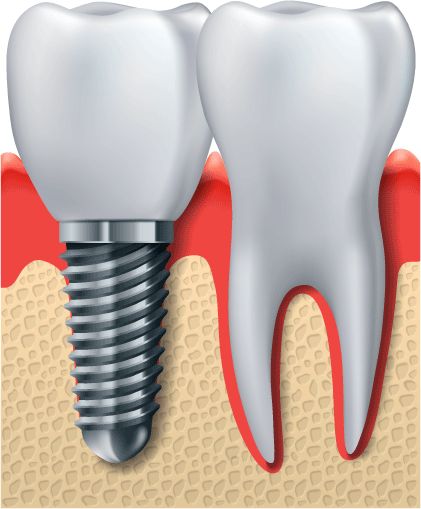
All-on-4 dental implants are a full-arch rehabilitative treatment that uses four strategically placed titanium posts to support a permanent, non-removable prosthetic bridge. This is a surgical and restorative procedure that maximizes the bone density available by positioning the posterior implants at a 45-degree angle, which in effect avoids the necessity of additional bone grafting procedures.
In this blog, you will learn about the clinical biomechanics, materials science, and procedural schedules associated with All-on-4 dental implants. The blog explains the analysis of candidacy, surgical performance, and aftercare measures required to achieve successful osseointegration and prosthetic survival.
The analysis informs patients about the technical benefits of this form of full-mouth restoration compared to more traditional removable appliances. This comprehensive guide defines the medical standards and patient expectations required to achieve a transformative, functional dental outcome.
The Biomechanics of the All-on-4 Technique
The success of your full-arch restoration (both biologically and mechanically) is solely determined by the distribution of the forces of biting in your jawbone. The All-on-4 procedure is not simply a procedure of inserting four screws into the bone but a complex engineering accomplishment referred to as the “anterior-posterior spread."
The distance between the most anterior and most posterior implants is called the spread. You maximize this distance, and then you have a stable base that can hold a complete set of 12 or 14 teeth without extra posts. The particular distribution inhibits the cantilever effect, which might otherwise cause mechanical failure due to pressure on the back of the bridge.
The system supports itself by the posts being embedded in the densest section of your cortical bone so that the system can withstand thousands of pounds of cumulative pressure over years of daily activity. This arrangement will work to your advantage since it will resemble the natural support system of your original teeth, giving you a bite force that is much greater than you would ever have been able to produce with removable dentures.
Strategic Angling for Maximum Bone Support
The strategic angling of the two rear implants is the core innovation of this system. Whereas traditional implants are installed vertically, your All-on-4 implants in the back are installed at angles of up to 45 degrees. This particular tilt allows your dentist to use the denser bone that is found in the front of your jaw, which is usually retained even after losing teeth over the years.
You do not have to experience a sinus lift in your upper jaw since the angled posts are securely positioned in front of the maxillary sinus cavities. And so, in your lower jaw, this angling will keep you out of possible harm to the mental nerve. This is especially crucial for your lower arch, where your dentist can maneuver around the mental foramen and the inferior alveolar nerve.
Angulation allows you to avoid these fragile constructions, thereby greatly reducing the risk of post-operative numbness or paresthesia, making your restoration as safe as it is functional and attractive. The resulting stability is instant, and you can continue your restoration without waiting for the bone grafts to heal. The greater surface area of the tilted implant increases the bone-to-implant contact, the biological key to long-term success.
All-on-4 Procedure Execution
Your road to a complete restorative procedure begins with a carefully planned surgical day that improves your oral function within a few hours. You visit the dental clinic with failing or missing teeth and walk out with a working, fixed provisional bridge. This is possible through the “Teeth in a Day” protocol that coordinates the restorative and surgical stages of your treatment. It will be a procedure in which all cuts and implantation sites are determined during the preoperative consultation.
Diagnostic Imaging and Computer-Guided Planning
The first step will be a thorough diagnostic period during which your dentist will use a Cone Beam Computed Tomography (CBCT) scan. This 3D imaging enables you to view your jawbone structure, nerve pathways, and sinus cavities in microscopic detail.
This information is then loaded into specialized surgical planning software, where your dentist virtually places your implants before the actual surgery. This computer simulation saves you time at the chair and makes sure that the four implants are placed in the areas of your jaw where the bone is densest.
This computerized workflow lets you view the final aesthetic result before making a single cut, as the program superimposes your new teeth over your existing bone structure. You will also have peace of mind that the path of each titanium post is plotted to within a fraction of a millimeter, keeping your vital organs safe and maximizing the amount of bone available for the most secure fit.
This technology will provide you with a higher standard of care since it eliminates the guesswork, and a minimally invasive approach will be possible, which will lead to quicker healing and less post-operative discomfort.
-
Alveolectomy and Bone Reduction
When you are comfortably sedated, the surgery phase commences with an alveolectomy, the medical term for reshaping your jawbone. You will see that your dentist takes his time to smooth the top of the alveolar ridge, forming a flat or slightly concave surface. This cut has two essential uses for your result:
- It prepares the required vertical space of your prosthetic bridge such that the resulting teeth do not appear thick or artificial.
- It makes sure that the transition line, where your new bridge is attached to your natural gum tissue, is not visible behind your lip when you smile. This step will be necessary to achieve a smooth, natural look for your restoration. Furthermore, this process provides the structural foundation for the definitive bridge.
-
Precision Drilling and Implant Insertion
Next, you undergo the drilling stage, where your dentist will drill the exact pilot holes at the angles we decided on during your 3D planning session. Your dentist uses high-torque conical connection tools to insert the four titanium implants into your jawbone.
These implants are constructed to attain high primary stability, which is a parameter that measures the tightness of the implant in the bone immediately after its placement. When your implants reach a torque level of 35-45 Newton-centimeters, you qualify for immediate loading. This implies that your bone is robust enough to support a temporary bridge immediately.
The biocompatible quality of titanium will also be of advantage to you since it provokes a cellular reaction that prompts your bone to fuse to the metal surface directly. This is the main stability, the physical expression of the mechanical friction of the threads of the implant with your living bone tissue.
This snug preliminary fit is a precondition for a procedure known as "instantaneous functioning," which enables the implants to distribute the load of your bite instantly without damaging the microscopic healing cells that will ultimately form an enduring biological bond.
-
Provisional Loading
The last procedure is the temporary bridge attached to your tooth; this is called provisional loading. A functional set of teeth will be screwed directly onto the four implants with special abutments. This bridge is not removable like traditional dentures, which are attached to your gums.
This interim restoration will be made of high-quality acrylic and kept as light as possible to avoid straining your implants during healing. You will be on this bridge for three to six months as your bone undergoes the most important step in osseointegration. This stage enables you to achieve a full smile and better speech as your jawbone grows and hardens around the titanium posts.
Material Science in Full-Arch Prosthetics
With time, you can replace your temporary acrylic bridge with a permanent restoration that will last for decades. The material you select to use on your final bridge is one of the most critical decisions that you will make during your treatment. Current dental materials offer a balance of aesthetic appeal and industrial-grade strength, enabling you to consume a wide range of diets without fear of fracture or wear.
Monolithic Zirconia vs. Acrylic-Fused Titanium
Two major materials you will have to decide on for your final All-on-4 bridge are the following:
- Monolithic zirconia
- Acrylic-titanium hybrid
Your restoration should be made of monolithic zirconia, which is cut from a single block of solid ceramic. Zirconia is highly resistant to staining, chipping, and wear, making it the best option when you want a bridge that looks exactly like natural porcelain. Consequently, zirconia remains the preferred choice for those seeking maximum aesthetic brilliance.
Since zirconia is non-porous, it will not harbor bacteria or odors like traditional plastic dentures often do. The glassy surface is natural to your tongue, and it has high thermal conductivity, so you can still experience the temperature of your favorite food and beverages without the insulating layer of the more bulky acrylic appliances.
An acrylic-titanium bridge is made of a metal frame to which acrylic teeth are bonded. Although this is a cheaper alternative, you will find that acrylic teeth wear out over time and may require regular care.
You may choose zirconia due to its high durability and the naturalistic manner in which it reflects light, giving a luminous smile that lasts 10 to 15 years or more.
Candidacy and Risks of All-on-4 Implants
Most patients are good candidates for All-on-4 dental implants, even if they have lost teeth over the years or have periodontal disease. However, your candidacy is determined by your overall systemic health and the current state of your oral tissues. Any underlying conditions (uncontrolled diabetes or severe gum disease) will have to be managed before your surgery can be performed.
Your dentist will check your medical history to ensure your body can heal and accommodate the implants into the skeletal structure. Your medications (including bone density or blood pressure medications) will also be reviewed to ensure they do not interfere with the cellular turnover necessary for healing.
This extensive screening procedure reduces the risk of early failure and ensures your body is well prepared to accept the titanium as a natural extension of your skeletal structure. This preventive medical assessment is the basis of your future clinical achievement.
Bypassing the Need for Traditional Bone Grafting
The potential to avoid traditional bone grafting is one of the greatest strengths of the All-on-4 system. If you have been informed that you are not a candidate for implants due to insufficient bone, this technique is specifically designed to meet your needs. You can use the thick bone of the anterior jaw and tilt the back implants so that you avoid the invasive sinus lift or block graft surgeries, which can take months to heal.
You will save a lot of time and money, and the overall number of surgeries needed to restore your smile will be fewer. This graftless method is especially advantageous when you have undergone bone resorption as a result of the prolonged use of dentures.
Understanding Potential Complications
The success rate of All-on-4 dental implants is high, ranging from 94 to 98 percent, but you should be on your guard against potential complications. Peri-implantitis is an inflammatory disease like gum disease, which is the greatest long-term risk to your restoration and involves the bone surrounding your implants.
You will also need to get used to the physical feel of the bridge, which will be slightly heavier than natural teeth initially. You may have some temporary speech changes, namely with sounds S and F, as your tongue gets used to the new shapes of the bridge. These speech patterns tend to normalize within a few weeks as your oral muscles become accustomed to the new prosthetic.
Maintenance and Oral Hygiene Procedures in the Long-term
Your All-on-4 implants will require the same type of care as natural teeth to last a lifetime. Even though your artificial teeth do not form cavities, the living tissues and bones around the implants are prone to infection. The best way to protect your investment is to maintain a daily hygiene routine. You will have to concentrate on the area between your bridge and the gums where food particles and plaque may be deposited.
-
Specialized Interproximal Cleaning
Traditional flossing might not be sufficient for your new bridge. Rather, you will have to use special instruments, such as a water flosser or a Superfloss with an inbuilt threader. You will position the water flosser stream under the bridge to remove debris that a toothbrush cannot reach.
Interdental brushes will also help you, as they are small, soft-bristled tools that clean the abutments of your implants. Keeping the gum line clean will avoid the accumulation of harmful bacteria, which may lead to bone loss. Your daily routine will be topped off with a non-alcoholic antimicrobial mouthwash to reduce bacteria in your mouth further.
-
Professional Maintenance
You will need to return to your dentist after 6 months for professional care and clinical check-ups. On these visits, your dentist will take a special cleaning of your bridge and will inspect the integrity of the screws, which will fix your restoration. X-rays need to be taken periodically to monitor the bone around each implant.
Your dentist will also examine your “occlusion,” or the way your teeth fit together, to make sure that no one implant is taking on too much work. Regular check-ups enable your dentist to detect and treat minor problems before they escalate into major ones, thereby maintaining the stability of your full-arch system.
-
Lifestyle Adjustments
There are lifestyle habits that can go a long way in determining the life of your All-on-4 dental implants. If you have a history of bruxism (teeth grinding or clenching), you will need a custom-made night guard to protect your bridge from overloading.
Another thing you will discover is that smoking is among the major causes of implant failure, as it limits the blood flow to your gums and delays the healing process. The best outcomes will be achieved by not using tobacco products and by consuming very hard or sticky foods during the first healing period in the least amount possible.
With these minor modifications, you will be able to provide the best environment in which your implants can flourish over the next few decades.
Get in Touch With a Professional All-on-4 Dentist Near Me
All-on-4 dental implants are a life-changing dental treatment that involves precise surgical procedures and high-quality restorative materials to restore your smile. You have discussed how this graftless, 4-implant solution uses the anterior bone to offer instant stability and a natural look that is not achievable with traditional dentures.
Your dedication to professional oral care and frequent professional treatment is crucial to achieving long-term success and avoiding issues such as peri-implantitis. You should not delay addressing failing dentition or the discomfort of loose dentures, as prolonged bone resorption can complicate future restoration efforts.
Our dental team at The Whittier Dentist is prepared to take you through this life-transforming process with the latest 3D planning and a patient-centered approach. We offer a tailored All-on-4 treatment plan that will help you regain your bite strength and confidence. Call us at 562-632-1223 to book your consultation now to start the process of having a permanent, glowing smile.


